

 See My Latest Article on HelloNation
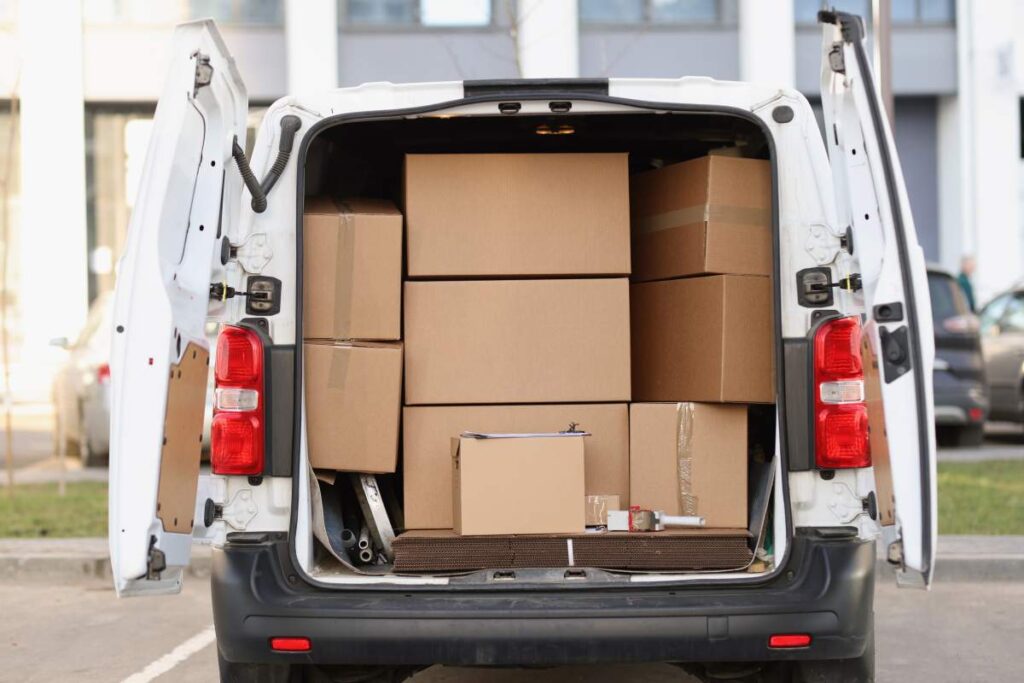
What Items Should Be Packed First for a Move?
Begin with items rarely used or out of season. These belongings are often tucked away in storage spaces like basements, attics, or closets. Packing them first ensures daily life stays manageable while making headway in the moving process.
For area households, this often means:
- Off-season clothing such as heavy winter coats stored during summer or swim gear in the colder months
- Holiday decorations boxed up in garages or crawl spaces
- Sentimental items displayed on high shelves or packed in trunks
- Books not needed for current routines
- Specialty cookware, appliances, or serving ware only pulled out for gatherings
Packing these early means less disruption to current routines and makes progress visible.
Are There Items I Should Avoid Packing Right Away?
Leave daily essentials untouched until the move week. This avoids the stress of digging through taped-up boxes for necessities—something especially relevant for families with unpredictable Michigan weather or frequent changes in plans.
Keep the following accessible until the last few days:
- Basic kitchenware and daily-use appliances
- A minimalist wardrobe appropriate for the season and any expected weather swings
- Toiletries and medications
- Important paperwork, chargers, and small electronics
- Cleaning supplies for last-minute tasks
Waiting on these items also helps with the move-out clean, which is particularly vital in rental units or homes for sale.
How Do Local Conditions Affect Packing Choices?
Comstock Park’s climate and home layouts shape the order of packing. Seasonal extremes mean distinct “off-seasons” for gear, making it simpler to prioritize storage-based packing.
Examples unique to the area:
- Many homes have large basements or sheds where spare furniture, canoes, sleds, yard tools, or bikes are stored—these can usually be packed first.
- Local school calendars, sports leagues, or gardening patterns can guide which items won’t be needed soon.
- Outdoor gear like snow shovels, skis, or beach gear may have long stretches between uses, making them top candidates for first packing.
In the unpredictable spring, keep rain gear and layers accessible until close to move day.
Can Early Packing Help Make Moving Less Stressful?
Starting months or weeks ahead with infrequently used items helps break the work into smaller, less overwhelming tasks. Packing incrementally also keeps homes safer and less cluttered during the preparation months.
Local residents often find it easier to manage daily routines, especially with kids or pets in the home, when non-essentials are boxed up and set aside early in the process. By the final week, only the essentials should remain, making the last days more orderly.
What Supplies Should Be Ready Before Packing Begins?
Collect sturdy boxes in varied sizes, packing tape, and labeling materials before boxing anything. In homes with basements or garages, it’s common to underestimate how many supplies are needed—especially for heavier items like books or tools.
Practical local advice:
- Save clean, dry boxes from recent deliveries or community exchanges
- Use small, durable boxes for heavy or dense items to prevent injuries or box breakage
- Label boxes on multiple sides, noting contents and destination room
- Consider using weather-resistant bins for items stored in sheds or damp basements
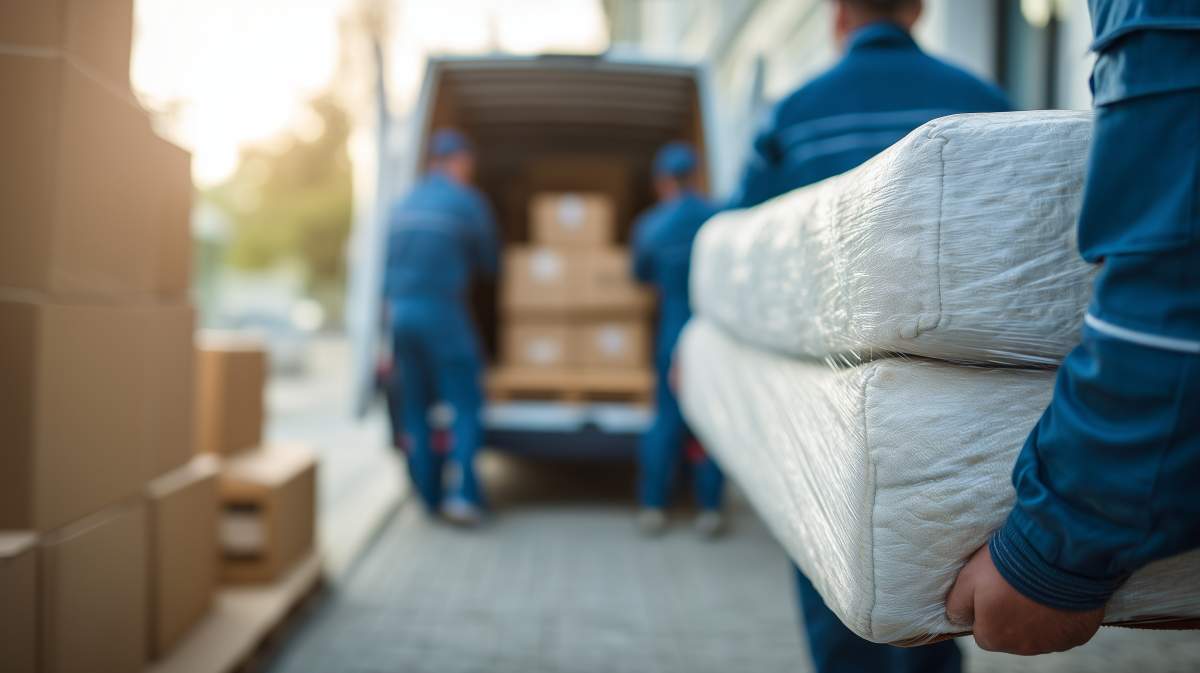
Should Anything Not Be Packed Until Moving Day?
Certain things need to remain out until the very end. This is especially true for items that keep the home running smoothly in the days before the move or those required for the first night in the new location.
These essentials might include:
- Basic bed linens and pillows
- A few pots, pans, dishes, and cutlery
- Personal devices and chargers
- Cleaning products for the post-move sweep
- Pet supplies and favorite toys
- A change of clothes for each household member
Create a separate box or bag for these items, labeling it clearly and keeping it accessible in the vehicle rather than loading it with the main shipment.
Are There Common Misconceptions About Packing Order?
A frequent misunderstanding is that starting with one room and finishing it completely is the best method. In reality, focusing first on rarely used belongings—rather than by physical space—results in a smoother transition, especially in homes with shared or multifunctional rooms.
Other overlooked factors:
- Trying to pack all decor or non-essentials at once leads to clutter; instead, work in gradual layers over time
- Believing that all kitchenware or all clothing must be packed together; in fact, pack holiday-only serving pieces or specialty outfits far earlier than everyday items
- Ignoring the volume of items in storage spaces until late in the process, causing a time crunch
Recognizing which belongings truly don’t serve daily life—regardless of their location—sets up a less stressful move for area households.