

 See My Latest Article on HelloNation
What Materials Should You Use to Pack Fragile Items?
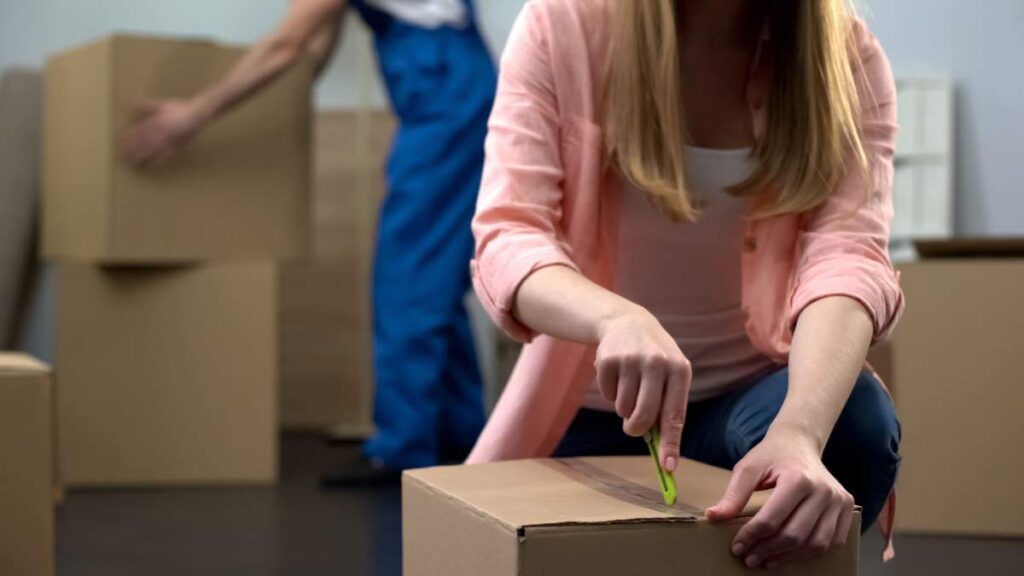
The safest way to prepare breakable items for a move starts with the right packing materials. For most local households, gathering supplies ahead of time can prevent last-minute stress. Fragile items—such as glassware, dishes, ceramics, and electronics—need more than just empty boxes.
Choose sturdy, double-walled cardboard boxes and avoid reused boxes that may have weakened from humidity or previous damage. Essential packing materials include:
- Bubble wrap for cushioning
- Packing paper or unprinted newspaper
- Foam sheets or peanuts for filling gaps
- Sturdy packing tape
- Permanent markers for labeling
- Dividers or partitions for glassware and bottles
Residents in Comstock Park sometimes have to deal with seasonal humidity, especially in spring and summer. Humid conditions can weaken cardboard and tape, so store supplies in a dry space, and try to pack during low-humidity days if possible.
How Do You Prepare Fragile Items Before Packing?
Begin by cleaning and fully drying your items. Moisture can lead to mildew or slips during handling. For delicate ceramics or collectibles, check for existing cracks or loose parts. It’s a good idea to reinforce vulnerable spots with an extra layer of padding or wrap.
Dismantle items when possible (such as lamp shades or glass shelves) so that each part can be individually wrapped for added protection. Remove batteries from small electronics to prevent leakage.
What’s the Best Way to Pack Dishes and Glassware?
Start with a cushioned layer of crumpled packing paper or foam peanuts at the bottom of each box used for fragile kitchen items. Wrap each dish or glass individually, using at least two layers of paper or bubble wrap.
Stack dishes on their sides instead of flat to reduce pressure and make them less likely to crack. For glasses and stemware, stuff the interior with paper before wrapping the exterior.
Add a soft layer between each item, and use dividers if you have them. Fill empty spaces with paper or fabric to prevent shifting. In a small college town or suburban community like Comstock Park, people often use soft kitchen towels or clean T-shirts for zero-waste packing.
Label boxes on multiple sides with "Fragile" and a description, such as "Plates—This Side Up," so helpers know how to handle them properly.
How Should You Pack Electronics and Small Appliances Safely?
Electronics require extra care to avoid damage from bumps or weather changes, especially if moving in winter when extreme cold or condensation can be an issue in Comstock Park.
Whenever possible, use the original packaging. If not available, choose a snug box and begin with an antistatic bag for sensitive components like computer parts. Wrap each device in bubble wrap. Place smaller accessories—like chargers, remotes, or cables—in clearly labeled bags and secure them with tape to the main item, so they aren't misplaced.
Never overpack a box with electronics. If it’s heavy or awkward to lift, split items into two boxes for safer handling.
Can You Pack Multiple Fragile Items in a Single Box?
It is possible to pack multiple breakables together, but only if each item is individually wrapped and there’s enough cushion between them. Avoid stacking heavy items on top of lighter ones.
Place heavier, sturdier breakables at the bottom and more delicate items, like wine glasses or porcelain figurines, on top. Always cushion between layers.
Every box should be filled but not overloaded. If a box rattles when gently shaken, add more filler until items cannot move.
Are There Local Considerations for Packing in Comstock Park?
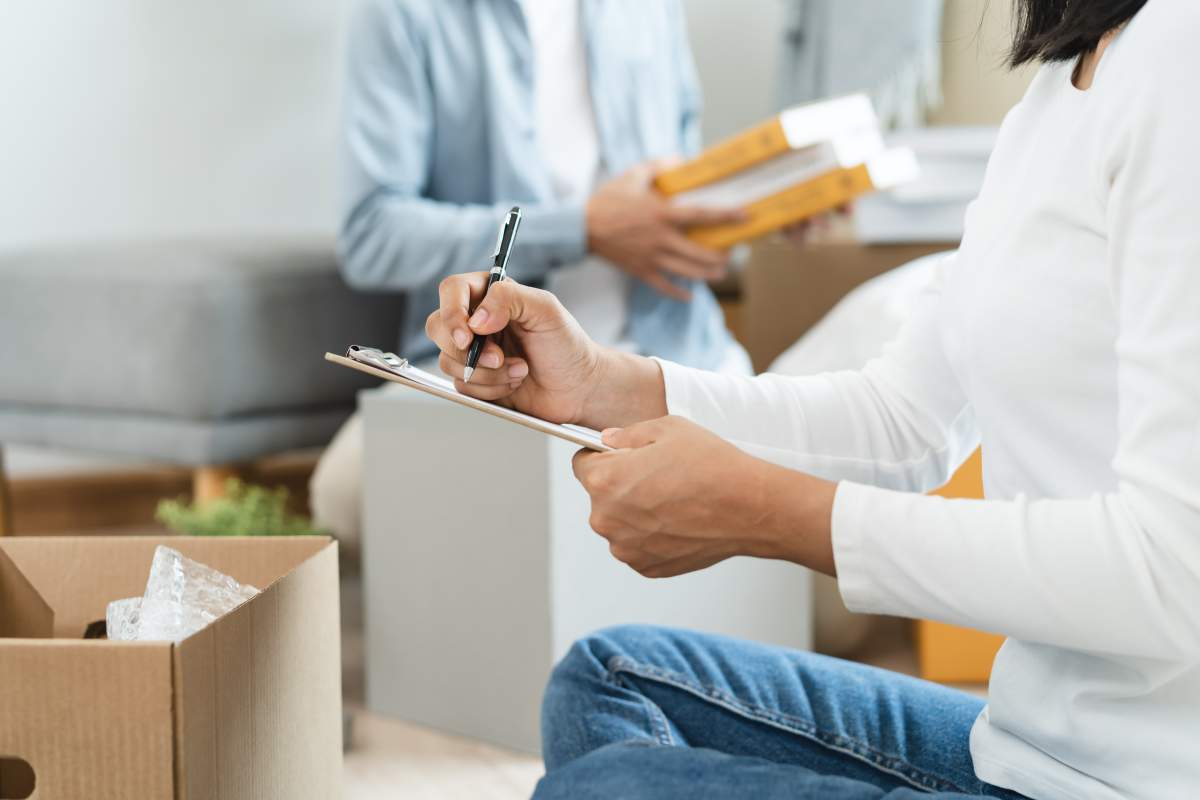
Local climate shifts play a role in how you pack. Rain, humidity, and temperature swings can introduce risks that are easy to overlook.
For spring or summer moves, bring boxes indoors as soon as they are packed—do not leave cardboard on damp basement floors or porches overnight. For winter moves, avoid letting packed items freeze in unheated garages; certain materials like ceramics and glass can crack due to thermal shock.
Apartment and condo residents may have narrow hallways or stairwells to navigate. Compact, clearly labeled boxes are easier and safer to transport, especially in multi-level homes common in the area.
What Are Common Mistakes to Avoid When Packing Fragile Items?
Many breakages during a move can be traced to a few preventable mistakes:
- Using weak, overused boxes
- Failing to properly wrap handles, spouts, or thin stems
- Leaving empty space in boxes, allowing items to shift
- Forgetting to label boxes clearly and specifically
- Overpacking boxes until they are difficult to lift safely
- Using newspaper with heavy ink for light fabrics, which can cause stains
Mistakes like these are easy to miss, especially late at night or near moving day deadlines. Even experienced movers can overlook details, so check each box before sealing.
How Should Fragile Boxes Be Loaded and Transported?
Load fragile boxes on top of heavier, sturdier ones in the moving vehicle. Avoid stacking other boxes on top of those marked "fragile." Keep them snug to prevent shifting, but don’t force boxes into tight spots that could crush them.
If traveling a short distance within Comstock Park, try to route the trip to avoid rough side roads when possible, since potholes and bumps can jostle fragile cargo. Pad gaps in the vehicle with blankets or cushions for extra security.
Unpack these boxes first upon arrival, especially items sensitive to temperature or moisture.