

 See My Latest Article on HelloNation
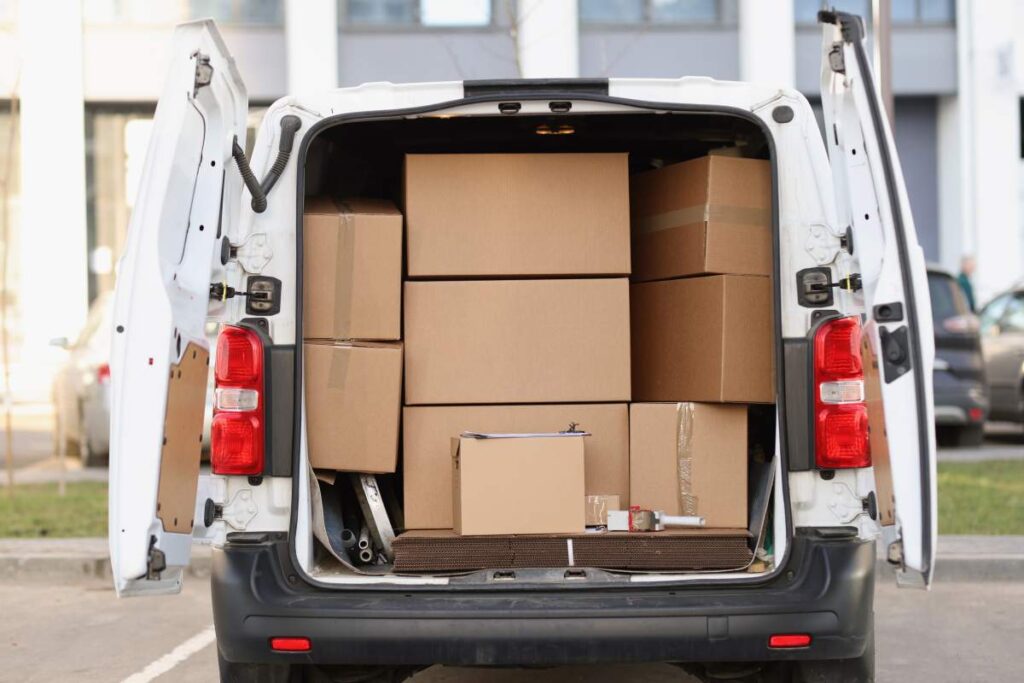
Moving a large household is easier when packing begins before the final weeks become crowded with deadlines. For most households, starting six to eight weeks before moving day provides enough time to sort belongings, pack carefully, handle paperwork, and adjust the schedule if weather or housing plans change.
The right timeline depends on the size of the home, the number of household members, the distance of the move, and how much is being stored, sold, donated, or discarded. A small apartment may need only three to four weeks, while a full household with an attic, basement, garage, or workshop may need two months or more.
How early should packing begin?
Begin with planning and decluttering six to eight weeks before the move, then pack nonessential items gradually. The goal is not to box up everything immediately. Instead, start with belongings that are rarely used and move toward daily necessities as moving day approaches.
A useful rule is:
- Six to eight weeks before: plan, sort, and remove unwanted items
- Four to six weeks before: pack seasonal and infrequently used belongings
- Two to three weeks before: pack most rooms and reduce household extras
- One week before: finish daily-use items and prepare an essentials kit
- One to two days before: secure remaining belongings and clean the home
Starting too early can also create problems if boxes are packed without labels or if frequently used items are buried. A steady, organized process works better than filling boxes as quickly as possible.
What should be done six to eight weeks before moving?
The first stage is about reducing the amount that must be packed. Every item that is sold, donated, recycled, discarded, or given to someone else is one less item to protect, carry, unpack, and organize.
Walk through the home by category rather than trying to make every decision at once. Clothing, books, kitchen equipment, paperwork, tools, toys, and decorations can each be reviewed separately.
Create four basic groups:
- Keep and move
- Donate or give away
- Sell
- Recycle or dispose of properly
This is also a good time to measure large furniture and check whether it will fit through doors, hallways, stairwells, and the new home’s rooms. Oversized furniture can affect the entire moving plan, especially in older homes, homes with narrow stairways, or properties with limited parking and access.
Residents preparing for a move in Comstock Park should also consider seasonal conditions. A move scheduled during colder months may require extra time for wet floors, icy walkways, snow-covered steps, or limited daylight. Protecting floors and keeping entrances clear becomes part of the packing and moving plan.
What belongs in the first boxes?
Pack items that are not needed for normal weekly routines. These may include holiday decorations, formal dishes, artwork, rarely used appliances, extra linens, out-of-season clothing, collectibles, and books that are not currently being read.
Label each box on at least two sides, not only on the top. Include:
- The room where the box belongs
- A brief description of its contents
- Whether it is fragile
- Whether it should be opened early
For example, “Kitchen—baking supplies—open later” is more useful than a label that says only “kitchen.” A simple numbered inventory can help track boxes without requiring a detailed list of every item.
Avoid mixing unrelated rooms in one box unless the box is small and clearly labeled. A box containing bathroom supplies, office papers, and kitchen utensils may save a little space during packing but create confusion during unpacking.
What should be packed four to six weeks before moving?
At this point, pack most seasonal items and belongings used only occasionally. This often includes extra coats, sports equipment, decorative objects, spare bedding, rarely used tools, and stored kitchen equipment.
Closets are usually a good place to make progress because they contain many items that are not needed every day. Pack one closet at a time and leave enough clothing and shoes for the remaining weeks.
If children are part of the household, avoid packing every familiar object at once. Keep a small selection of books, toys, school materials, and comfort items available until the move. The same principle applies to pets: food, medications, leashes, carriers, and familiar bedding should remain accessible.
Paperwork requires special care. Gather leases, closing documents, medical records, school information, insurance paperwork, passports, birth certificates, financial records, and other irreplaceable documents in a separate folder or container. Keep these items with the household rather than placing them in a moving box that may be inaccessible for several days.
What should be left until the final two weeks?
Daily-use items should remain available until they are no longer needed. These usually include basic cookware, toiletries, medications, cleaning supplies, chargers, work materials, school items, and a limited amount of clothing.

During the final two weeks, aim to use up or reduce open containers where practical. Pantry foods, household cleaners, and partially used personal-care products can add weight and create leakage risks. However, hazardous materials should not be packed casually. Items such as fuel, certain chemicals, propane cylinders, and other regulated substances may require special handling or disposal rather than transport.
Prepare an “open first” group before the final week. It may include:
- Toilet paper, soap, towels, and basic toiletries
- Bedding and a change of clothing
- Phone and device chargers
- Coffee, snacks, water, and simple utensils
- Basic tools
- Trash bags and paper towels
- Medications and important documents
- Pet or child essentials
Keep this group clearly separated from ordinary boxes so it is easy to identify.
Is one week enough to pack a whole house?
For a large household, one week is usually not enough unless several people can work consistently and the home has already been decluttered. Last-minute packing tends to produce heavier boxes, poor labeling, damaged items, and forgotten belongings.
A one-week timeline may be manageable for a small, lightly furnished residence with few possessions. It is much less realistic for a household with a basement, attic, garage, storage unit, workshop, or extensive collections.
If time is limited, prioritize by function:
1. Secure essential documents, medications, valuables, and fragile items.
2. Pack one complete room or area at a time.
3. Remove trash and unwanted items before they become mixed with packed belongings.
4. Use smaller boxes for books and dense materials.
5. Leave cleaning supplies and basic household tools accessible until the property is empty.
The most frequently underestimated areas are garages, sheds, basements, attics, and laundry rooms. These spaces often contain irregularly shaped objects that take longer to sort and protect than ordinary household items.
How does weather affect the packing schedule?
Weather can change the practical pace of a move, especially in a northern climate. Winter conditions may slow loading and unloading, while rain can damage unprotected boxes and create slippery walking surfaces. Summer heat can make extended packing sessions uncomfortable and may affect temperature-sensitive belongings.
For a move during a season with unpredictable weather, pack water-resistant materials, keep towels available for wet surfaces, and avoid placing cardboard boxes directly on damp floors. Electronics, photographs, instruments, and other sensitive belongings may need additional protection from moisture and temperature changes.
Weather is another reason to avoid using the final day for all packing. A delay caused by road conditions, building access, or a wet loading area is easier to manage when most belongings are already boxed and labeled.
What is the simplest way to stay on schedule?
Set a small daily or weekly packing target rather than waiting for a large block of free time. One or two boxes per day can make a noticeable difference over several weeks. A written room-by-room checklist also helps prevent hidden storage areas from being overlooked.
Packing should be considered complete only when each box is sealed, labeled, and assigned to a destination. Leaving loose items in random bags creates confusion and increases the chance of damage.
The best starting point is usually the least-used room or storage area. Keep daily routines functional, reduce possessions early, and reserve the final week for essentials, cleaning, and unexpected tasks rather than trying to pack the entire home from scratch.