

 See My Latest Article on HelloNation
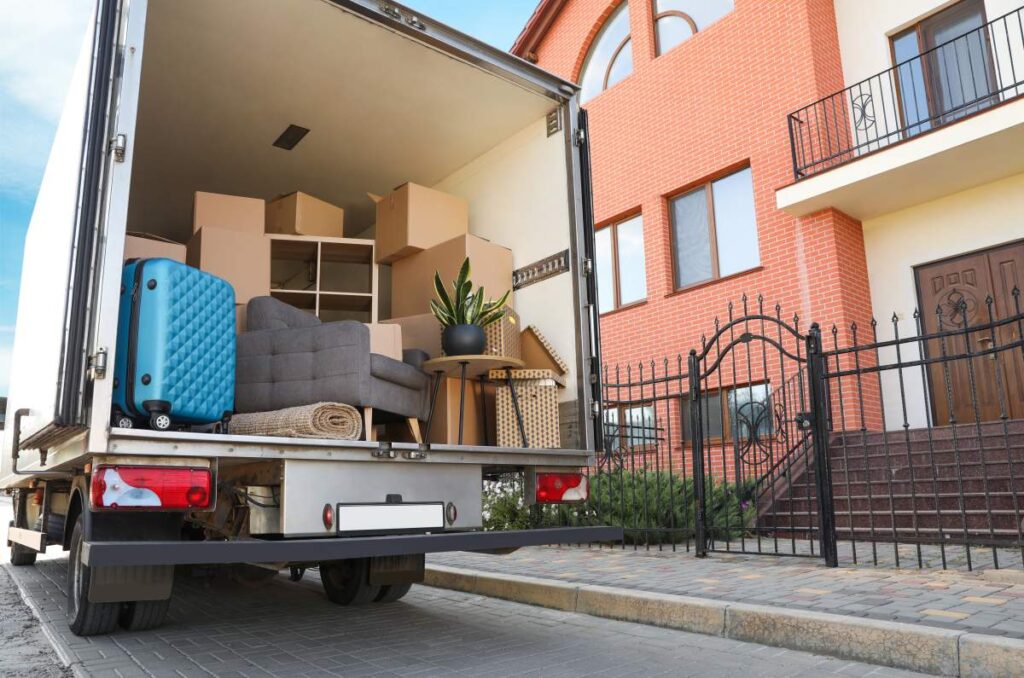
Moving does not have to mean filling every box or making repeated trips for forgotten items. With a few practical packing methods, households can protect belongings, use less space, and make unpacking much easier.
How can packing be finished faster without creating confusion?
The fastest approach is to pack by function and frequency of use rather than placing random items into the nearest box. Begin with belongings that are rarely needed, then work toward daily essentials.
A useful order is:
- Seasonal clothing and decorations
- Books, framed items, and stored paperwork
- Guest-room belongings
- Extra kitchenware and small appliances
- Office supplies and hobby materials
- Everyday clothing, toiletries, and cooking items
Label each box on the top and at least one side. Include the room, a short description, and whether the contents are fragile. For example: “Kitchen—baking supplies” is more useful than simply writing “Kitchen.”
A simple numbering system can also help. Number boxes as they are sealed and keep a matching list in a notebook or digital document. The list does not need to record every individual item. A general description, such as “winter bedding and spare towels,” is usually enough.
What packing materials save the most space?
The most useful supplies are sturdy boxes in several sizes, strong packing tape, paper for wrapping, resealable bags, and a marker. Specialty containers are not always necessary.
Small boxes work well for dense belongings such as books, canned goods, tools, and records. Medium boxes are suitable for clothing, toys, shoes, and kitchen items. Large boxes should be reserved for light materials, including bedding, pillows, lampshades, and soft decorations. Filling large boxes with heavy objects can make them difficult to lift and more likely to break.
Instead of using excessive bubble wrap, consider clean paper, towels, dishcloths, and soft clothing for padding. These materials protect breakable items while moving belongings that already need to be transported.
Plastic bags with secure closures are useful for:
- Screws and hardware removed from furniture
- Cords and chargers
- Small office supplies
- Drawer contents
- Jewelry and other tiny items
Write the contents directly on each bag and tape it to the related furniture or place it in a clearly labeled box.
How can clothing be packed with less space?
Clothing usually takes up more room because of empty air between folded layers. Rolling soft garments can reduce gaps and makes it easier to see what is inside a container. Heavier items, such as sweaters and jeans, should generally go on the bottom, while lighter items can fill the top.
Closet clothing can often remain on hangers. Group several garments together, cover them with a clean garment bag or large breathable cover, and secure the hanger hooks. This keeps outfits together and reduces folding.
Drawers do not always need to be emptied completely if the furniture is sturdy and the contents are light. However, drawers should be removed or emptied if they make the item unstable, create excessive weight, or could slide open during handling.
For seasonal weather in Comstock Park, pack cold-weather clothing separately from warm-weather items when possible. Winter coats, boots, blankets, and snow gear are bulky, so placing them together in clearly marked containers prevents them from taking over several boxes.
What is the best way to pack a kitchen?
The kitchen often takes longer than expected because it contains many small, breakable, and irregularly shaped objects. Start by separating items that are used every day from those that can be packed early.
Wrap plates individually and stack them vertically rather than laying them flat in a tall pile. Vertical placement distributes pressure more safely. Place cushioning above, below, and between fragile groups.
For glasses and mugs, use paper or soft fabric to fill empty spaces. Do not leave open areas where items can shift. A box that is not completely full can be finished with dish towels, potholders, or lightweight plastic containers.
Keep these items together in a clearly marked essentials container:
- A few plates, cups, and utensils
- Basic cooking tools
- Coffee or tea supplies
- Paper towels and dish soap
- A can opener
- Snacks and simple meal ingredients
- Trash bags
This prevents the need to unpack several kitchen boxes immediately after arrival.
How can oddly shaped items fit into fewer boxes?
Irregular objects waste space when packed separately. Nest items whenever the materials are compatible and clean. Measuring cups can fit inside mixing bowls, smaller storage containers can fit inside larger ones, and shoes can hold socks or small accessories.
Use empty spaces inside luggage, hampers, coolers, and storage bins. These containers already have structure and can protect softer items. Avoid placing fragile objects inside containers that may be handled roughly or stacked under heavy boxes.
Lamp shades should be packed separately from lamp bases and filled loosely with clean paper or lightweight linens. Never place heavy objects on top of a shade. Long items such as curtain rods, sports equipment, and floor lamps can be grouped together and labeled rather than forced into standard boxes.
Which belongings should not be packed in regular boxes?
Some items need separate handling because they are heavy, valuable, fragile, or sensitive to temperature.

Keep important personal items together and transport them separately when practical, including:
- Identification documents
- Medication
- Financial records
- Keys
- Small valuables
- Essential electronics
- A change of clothing
- Basic toiletries
Do not pack leaking containers, open food, flammable materials, or unknown chemicals with ordinary household belongings. Cleaning products should remain sealed and upright, and incompatible substances should not be placed together.
During cold weather, electronics and liquids may be affected by low temperatures. Avoid leaving temperature-sensitive belongings in an unheated vehicle longer than necessary. Moisture can also become a problem when cold items are brought indoors, so allow them to warm gradually before turning on electronics.
How can boxes be made easier to lift?
A box should be packed according to its weight, not just its available space. Heavy items belong in small containers, while lightweight items can fill larger ones. Mixing a few heavy belongings with lighter materials can also prevent a box from becoming too dense.
Leave a small amount of space at the top so the box can close without bulging. Overfilled boxes are harder to stack and may split at the seams. Underfilled boxes allow contents to move, but the extra space can be filled with towels, clothing, or crumpled paper.
Test each sealed box by lifting one side slightly. If it feels difficult to control, remove some contents and divide them into another container. Clearly mark boxes that need to remain upright or require gentle handling.
What should go into an open-first container?
An open-first container should support the first several hours rather than the entire first day. Pack one for each household if needed, and keep it easy to identify.
Useful contents may include:
- Toilet paper and hand soap
- Phone chargers
- Basic tools
- Paper towels and cleaning cloths
- Medications
- Snacks and bottled water
- A few dishes and utensils
- Towels
- Bedding or sleeping essentials
- A flashlight and spare batteries
- Pet supplies, if applicable
Keep this container accessible instead of burying it among other boxes. A second small container for documents, keys, and daily medications can remain with the person responsible for them.
Careful packing is less about using expensive materials and more about reducing wasted space, controlling weight, and keeping related items together. Clear labels, sensible box sizes, and a small set of accessible essentials can make the transition more orderly for local households preparing for a move in any season.