

 See My Latest Article on HelloNation
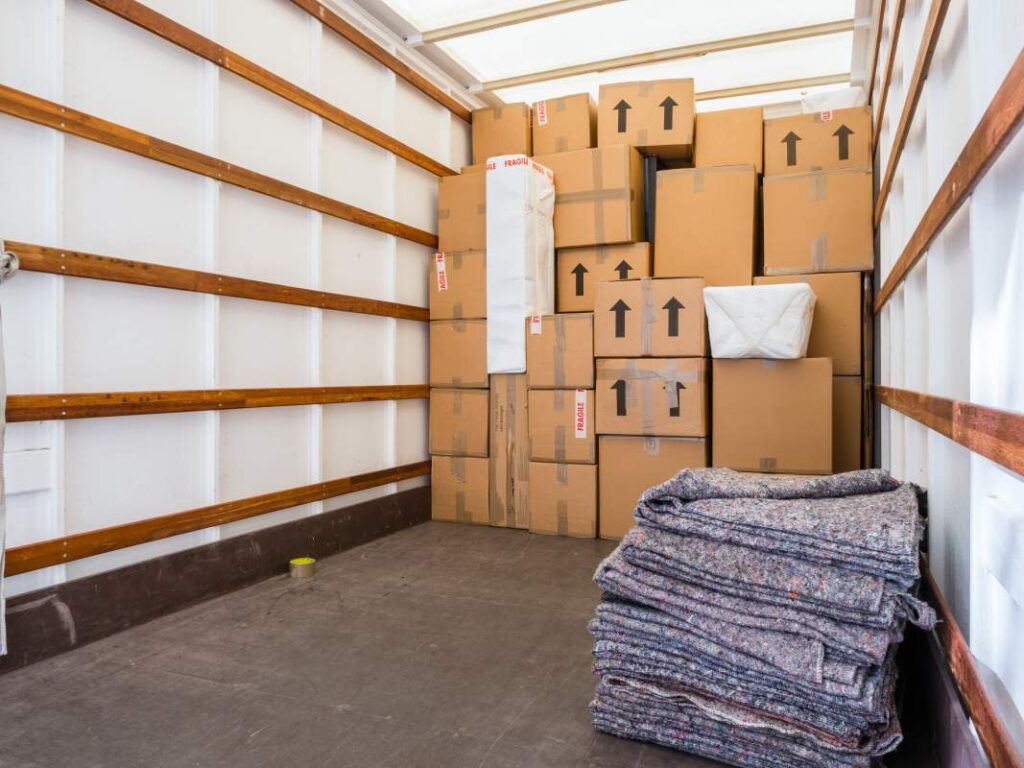
How Much Do Local Moves Typically Cost?
For those relocating within Comstock Park, local moving costs are usually calculated by the hour. Short-distance moves that stay within the city boundaries are most often charged a flat hourly rate, which covers a moving crew and a truck.
The final price depends on these main factors:
- Size of the home: Moving a studio or one-bedroom apartment is less expensive than relocating a four-bedroom house.
- Amount of furniture and boxes: More items mean more time and effort.
- Distance between locations: Even within the city, travel time and traffic can impact costs.
- Stairs, elevators, or difficult access: Extra labor is often needed for multi-story complexes or tight hallways typical of certain older Comstock Park neighborhoods.
- Packing services: If you need movers to pack or supply materials, expect higher costs.
On average, most local residents can expect the following price ranges for local moves (excluding optional additional services):
- Small apartment or studio: $350–$600
- Two- to three-bedroom home: $700–$1,200
- Larger homes: $1,200–$2,400+
What Determines the Cost of a Long-Distance Move?
Moving in or out of Comstock Park, MI to another city or state involves a different pricing model. Costs are generally based on:
- The distance between addresses
- The total weight (or volume) of your belongings
- Any extra services requested (packing, storage, oversized items)
For medium-sized homes, moving to another part of Michigan or a neighboring state might cost $2,000–$4,500. Moves crossing multiple states, or with a large home’s contents, can easily reach $6,000–$10,000 or more. Fuel costs, season, and exact route also factor in.
Which Expenses Are Often Overlooked?
The headline moving price is just one piece of the puzzle. Local residents sometimes forget to budget for:
- Packing supplies (boxes, tape, padding)
- Utility connection or disconnection fees
- Cleaning the old or new home
- Temporary storage if move-in/out dates do not align
- Insurance coverage for belongings in transit
If moving involves winter conditions or busy summer weekends—which are common in the area—costs may spike due to limited availability or longer loading times.
How Can Residents Estimate DIY Moving Costs?
For those considering a self-move, using a rental truck and gathering friends or family can cut expenses but comes with its own costs and effort. Typical expenses include:
- Rental truck or trailer fees (often $30–$100 per day for a local move)
- Mileage charges, fuel, and tolls
- Additional equipment (dollies, furniture pads)
- Food and drinks for helpers
- Potential health and safety risks, particularly when dealing with bulky furniture or icy sidewalks in winter months
Often, the total for a single-day, DIY move ranges from $120 to $400 for a one- or two-bedroom home—before considering the value of personal time and physical stress.
Is Moving Insurance Worth It?
Standard moving contracts include only basic coverage, which may reimburse a fixed amount per pound of lost or damaged items. For valuable or fragile goods, purchasing additional coverage may be a good idea.
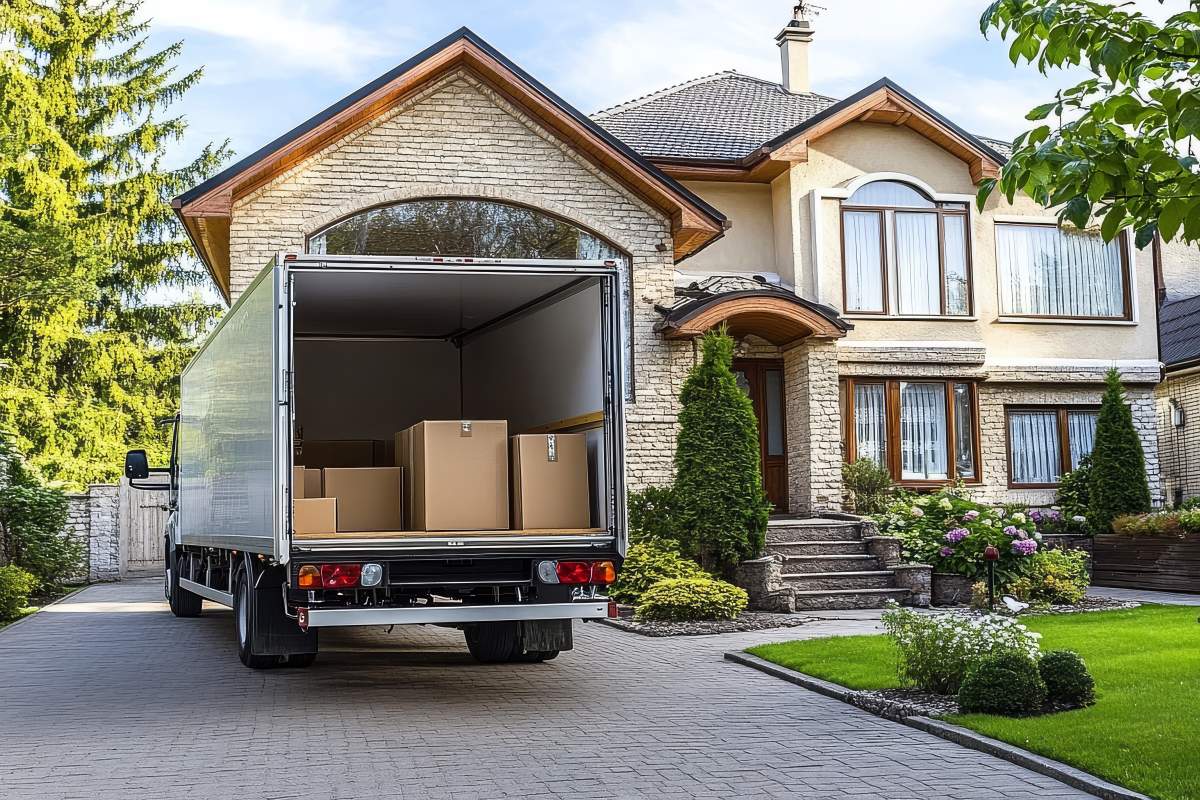
Common options:
- Declared value or full-value protection, for higher-value items
- Homeowners’ or renters’ policies, which sometimes include moving coverage
Before selecting coverage, review policy details and compare the cost with the total value of your belongings.
Are There Seasonal and Local Factors That Affect Moving Costs?
Yes, timing and local conditions play a significant role in what residents pay. In the Comstock Park area:
- Peak moving season typically follows school calendars, making late spring and summer both more expensive and harder to secure your preferred moving date.
- Winter conditions can mean icy driveways, snow removal, and limited daylight, increasing risk and time spent on a move.
- Local housing patterns (such as multi-family complexes or historic homes with narrow staircases) may increase labor or require special equipment.
Planning flexibility, avoiding weekends, and booking in advance usually help secure better pricing and more availability.
What Can Help Residents Save Money When Moving?
Area households can reduce costs with careful preparation. Some practical steps include:
- Packing belongings ahead of time to limit crew hours
- Disassembling large furniture
- Donating or selling items that are not needed anymore (downsizing)
- Checking with building management about elevator reservations or parking permits, which can prevent costly delays
Requesting written estimates and understanding which services are included gives a clearer idea of final expenses.
Common Misconceptions About Moving Costs
Many underestimate how quickly small choices can add up. A few examples:
- Misjudging the time required for packing and disassembly, leading to longer hourly charges
- Assuming all damage is covered, when basic liability often won't cover valuable items
- Forgetting to consider access issues or logistical obstacles common in some local residential neighborhoods
Understanding the full picture of moving costs allows for more confident planning—and fewer surprises—on moving day.